Understanding Akne Comedonica: More Than Just a Few Bumps
Often perceived as a mild form of acne, Akne Comedonica, also known as comedonal acne, is characterized by the predominant presence of comedones – those small, non-inflammatory bumps we commonly refer to as blackheads and whiteheads. While it lacks the redness and pustules typical of more severe acne forms, Akne Comedonica can significantly impact skin texture and appearance, making the skin feel rough and uneven. Effectively treating this condition requires a targeted approach, focusing on preventing new comedone formation and clearing existing ones.
Akne Comedonica primarily manifests in the seborrheic zones of the body, areas rich in sebaceous glands. This includes the face, especially the central facial region, the shoulders, the back (particularly along the spine), and the upper chest. These non-inflammatory lesions present as either open comedones (blackheads), which appear dark due to oxidized melanin and sebum at the pore opening, or closed comedones (whiteheads), which are flesh-colored bumps covered by a thin layer of skin. Unlike inflammatory acne, significant swelling or redness is typically absent, although the transition to acne papulopustulosa (characterized by red papules and pustules) can be fluid if left untreated or aggravated.
Diagnosis of Akne Comedonica is primarily clinical, based on a thorough skin examination by a dermatologist or healthcare professional. The defining characteristic is the dominant presence of these non-inflammatory comedones. To assess the severity and guide treatment, dermatologists often categorize Akne Comedonica into grades based on the number of comedones present on one half of the face:
- Grade I: Fewer than 10 comedones per half-face
- Grade II: 10-25 comedones per half-face
- Grade III: 25-50 comedones per half-face
- Grade IV: More than 50 comedones per half-face (indicating a severe form)
An important consideration with Akne Comedonica is its potential link to external factors. In some cases, it can be exacerbated or even primarily caused by certain cosmetic products, a condition known as Acne Venenata or cosmetic-induced acne. Recognizing this potential trigger is crucial for effective management.
The Power of Topical Retinoids: Your First Line of Defense
At the heart of effective Akne Comedonica treatment lies the consistent use of topical retinoids. These vitamin A derivatives are heralded for their unique ability to normalize follicular keratinization, which is the process where skin cells inside the hair follicle shed and clump together, blocking the pore and forming a microcomedone (the precursor to all acne lesions). By regulating this process, retinoids prevent new comedones from forming and help to dislodge existing ones, leading to smoother skin texture.
A range of topical retinoids is available, each with slightly different properties and strengths, allowing for personalized treatment based on skin type and sensitivity:
- Tretinoin (e.g., Cordes VAS, Airol): One of the most potent and widely studied retinoids. Available in various concentrations (e.g., 0.05%) and formulations (cream, gel, alcoholic solution). Tretinoin helps to accelerate cell turnover and improve pore function. For seborrheic (oily) skin, an alcoholic solution or gel formulation might be preferred, while normal skin might tolerate a cream base better.
- Isotretinoin (e.g., Isotrex Gel or Cream): Also a powerful retinoid, often prescribed as a gel or cream (e.g., 0.05%) for evening application. Similar to tretinoin, it works to reduce comedone formation and is effective across various skin types, though often introduced cautiously due to potential for irritation.
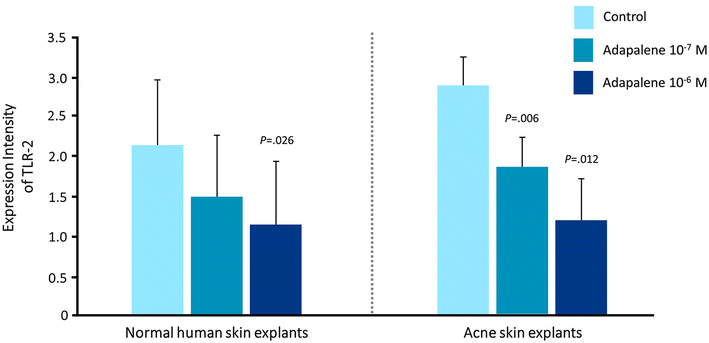
- Adapalene (e.g., Differin Gel 0.1%): Often considered more tolerable than tretinoin, particularly for individuals with sensitive skin, while still offering significant antikomedogenic efficacy. Adapalene is a synthetic retinoid that specifically targets the receptors involved in keratinization and inflammation, making it an excellent choice for consistent, long-term use.
Topical retinoids are typically applied once daily, often in the evening, to clean, dry skin. It's crucial to start slowly, perhaps every other night, to allow the skin to adjust and minimize initial irritation, redness, or peeling. Sun sensitivity is a common side effect, making daily sunscreen use (SPF 30 or higher) an absolute necessity when using retinoids. Patience is key, as it can take several weeks to months to see significant improvement, but their consistent use is vital not only for clearing current comedones but also for preventing the formation of new microcomedones, serving as an excellent maintenance therapy.
Complementary Therapies and Professional Interventions
While topical retinoids form the bedrock of Akne Comedonica treatment, a comprehensive approach often incorporates other therapies and professional procedures to enhance results and maintain clear skin.
Enhancing Treatment with Combination Therapies
- Benzoyl Peroxide (BPO): Available in concentrations ranging from 2.5% to 10% (e.g., Akneroxid Gel), BPO is a powerful antimicrobial agent that also has mild keratolytic (exfoliating) properties, helping to unclog pores. It can be particularly effective when used in combination with retinoids, often applied in the morning while retinoids are used at night, to reduce bacteria and further aid in exfoliation.
- Azelaic Acid (e.g., Skinoren 20%): This dicarboxylic acid offers both comedolytic and anti-inflammatory properties. It helps to normalize keratinization and reduce bacteria, making it a good option for sensitive skin or as an alternative for those who cannot tolerate retinoids. It can also be combined with retinoids, typically applied once daily in the evening.
The Role of Gentle Cleansing and Skincare
A gentle yet effective cleansing routine is fundamental. Harsh scrubbing or aggressive cleansers can strip the skin, leading to irritation and potentially worsening Akne Comedonica. Instead, opt for mild cleansing syndets (e.g., Sebopona, Cetaphil, Eubos) or gentle antibacterial cleansing gels (e.g., Lutsine Bactopur, Effaclar by La Roche-Posay). These products help remove excess oil and impurities without disrupting the skin's natural barrier. During the day, non-comedogenic moisturizers and coverage creams (like Lutsine Creme hell/gold) that won't clog pores are recommended, especially when using potentially drying treatments.
Professional Extraction and Advanced Procedures
For stubborn or deeply embedded comedones, manual extraction by a skilled professional is highly effective. Using a specialized comedone extractor or a small Moncorps-Messer (a tiny blade for lancing), a trained dermatologist or an experienced esthetician can safely remove blackheads and whiteheads. It is crucial to emphasize that self-extraction can lead to skin damage, infection, and scarring, making professional care advisable. An "acne toilette" performed by a versed cosmetician is often recommended as part of a comprehensive treatment plan.
In cases requiring more intensive exfoliation, chemical peels can be an effective adjunctive therapy. These procedures use various acids (e.g., salicylic, glycolic) to chemically exfoliate the top layers of skin, promoting cell turnover and helping to clear clogged pores. They should always be performed under the guidance of a dermatologist or qualified skin care professional.
Long-Term Management and Prevention
Treating Akne Comedonica isn't just about clearing existing lesions; it's also about preventing new ones from forming and maintaining long-term skin health. Because comedonal acne can be a chronic condition, a consistent maintenance strategy is vital. Topical retinoids, due to their potent antikomedogenic action, are ideal for this purpose, significantly reducing the recurrence of microcomedones.
Beyond prescribed treatments, integrating healthy skincare habits into your daily routine is paramount:
- Choose Non-Comedogenic Products: Always select cosmetics, sunscreens, and moisturizers labeled "non-comedogenic" or "non-acnegenic" to ensure they won't clog pores.
- Gentle Skincare: Avoid harsh exfoliants, vigorous scrubbing, or anything that irritates your skin, which can trigger further breakouts.
- Consistency is Key: Adhere to your prescribed treatment regimen diligently. Skipping applications can hinder progress.
- Protect from the Sun: Daily broad-spectrum sunscreen is essential, especially when using retinoids, to prevent sun damage and hyperpigmentation.
If your Akne Comedonica is severe (Grade III or IV), unresponsive to over-the-counter treatments, or significantly impacting your quality of life, consulting a dermatologist is the best course of action. They can provide an accurate diagnosis, prescribe stronger treatments, and offer professional interventions tailored to your specific needs.
Conclusion
Akne Comedonica, while often considered mild, demands a strategic and consistent approach for effective treatment. By understanding its nature as predominantly non-inflammatory comedones and leveraging the power of topical retinoids, often combined with complementary therapies like benzoyl peroxide or azelaic acid, significant improvement in skin texture and clarity is achievable. Incorporating professional extractions and a mindful, non-comedogenic skincare routine completes this multi-faceted strategy. Remember that patience, consistency, and professional guidance are your strongest allies in the journey towards smoother, clearer skin, ensuring that Akne Comedonica becomes a manageable condition rather than a persistent concern.